
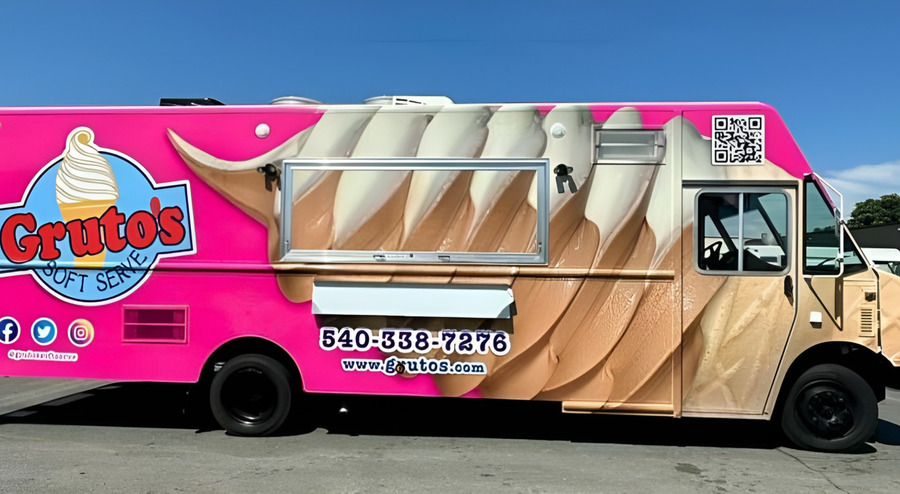
If you are considering a custom food truck or trailer, you have likely focused on the obvious questions first. Budget, layout, equipment, permits. Those details matter. But there is another layer to building a successful mobile kitchen that often gets overlooked. The decisions behind customization shape how a truck works, how it feels to operate, and how customers respond to it.
At Elhaj Custom Food Trucks & Trailers, the work goes beyond fabrication. The goal is to translate a food concept into a space that functions under pressure, passes inspection without surprises, and supports long service days. These facts reflect what operators actually encounter once they are on the road.
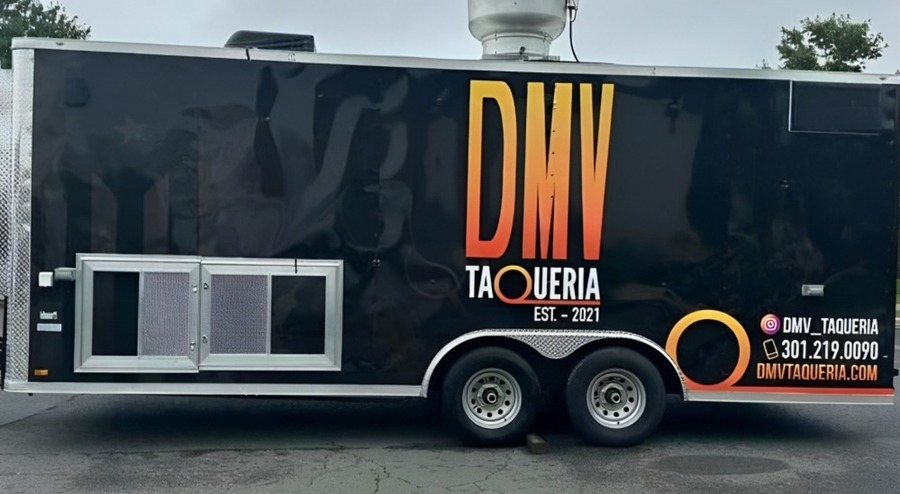
1. Some Custom Food Trucks Are Designed Around a Single Menu Item
It is not unusual for an entire truck layout to be built around one piece of equipment. Pizza ovens, shawarma spits, wood-fired grills, or oversized fryers often dictate ceiling height, ventilation design, and even door placement.
Operators are often surprised to learn that their signature item can shape the entire truck. Custom builders plan around that reality from the first drawing.
2. Food Trucks Are Often Heavier Than People Expect
Once commercial equipment, water tanks, fire suppression systems, and generators are installed, a food truck can weigh far more than a standard delivery vehicle.
This affects axle selection, suspension upgrades, and long-term durability. It is one reason professionally built trucks handle better and age more gracefully than retrofitted vans.
3. The Inside of a Food Truck Is Designed in Inches, Not Feet
In a brick-and-mortar kitchen, small inefficiencies can hide. Inside a food truck, every inch matters.
Clearances between equipment, door swing radius, counter depth, and aisle width are measured precisely. A few misplaced inches can slow service or create daily frustration for staff. Good custom builds feel intentional the moment you step inside.
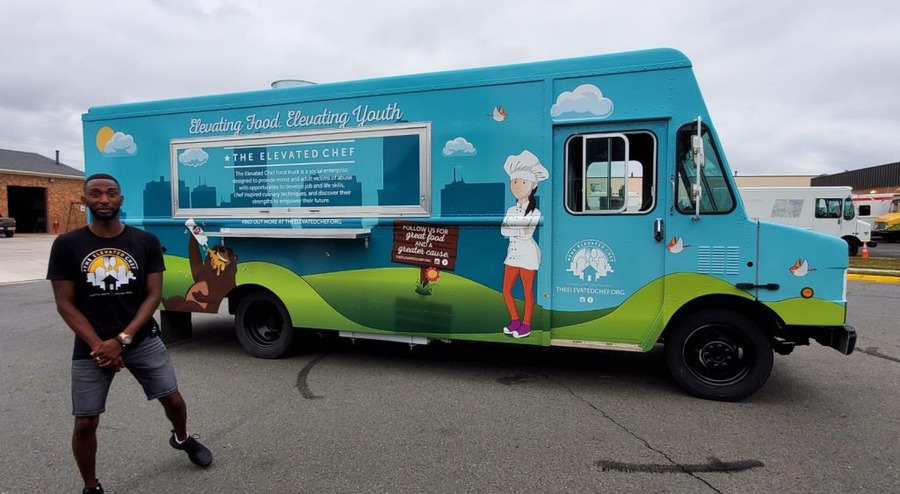
4. Many Custom Food Trucks Are Built to Outlast the First Business
It is common for a well-built truck or trailer to change hands more than once. Strong frames, durable materials, and adaptable layouts allow trucks to be repurposed for new concepts years later.
This surprises first-time buyers who assume food trucks are disposable assets. In reality, quality builds often retain value longer than expected.
Learn More: How to Start a New Food Truck
5. Ventilation Systems Are One of the Most Expensive Parts of the Build
The hood system is rarely what owners are most excited about, but it is one of the most complex and costly components.
Proper ventilation affects comfort, safety, inspections, and cooking performance. Many first-time owners are surprised to learn how much engineering goes into moving heat, smoke, and grease out of a small moving space.
6. Food Trucks Are Often Louder Inside Than People Expect
Generators, exhaust fans, refrigeration units, and cooking equipment all compete for space and sound.
Experienced builders account for noise through equipment placement, insulation choices, and airflow planning. Operators notice the difference during long service days, especially in high-volume trucks.
Continue Reading: Unique Food Truck Concepts Around the World
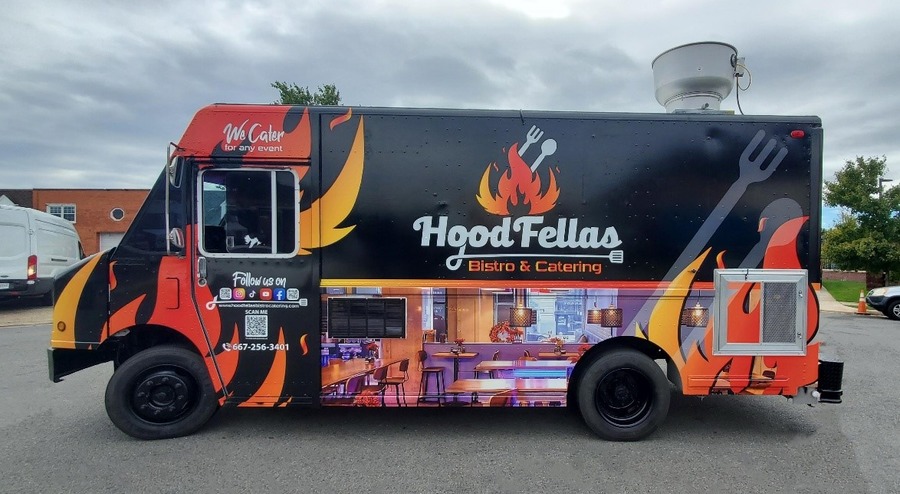
7. Color Choices Are Often Decided by Where the Truck Will Park
Sun exposure, nighttime visibility, local branding expectations, and even cleaning frequency influence exterior color decisions.
Darker trucks can run hotter in summer. Light colors show wear more quickly. These practical trade-offs often surprise owners who initially choose colors based on aesthetics alone.
8. The Best Custom Food Trucks Feel Calm During a Rush
This is one of the clearest signs of a thoughtful build. When a line forms and orders stack up, a well-designed truck feels controlled rather than chaotic.
Equipment placement, sightlines, storage access, and workflow all contribute. Operators often say they notice this difference most during their first big event.
Ready to Build Your Dream Truck?
Custom food trucks succeed when design choices reflect how the business actually operates. The most effective builds are not defined by trends or buzzwords, but by clarity, efficiency, and durability.
For operators planning a new truck or upgrading an existing setup, the right build partner makes the difference between a truck that looks good on paper and one that performs reliably in the field.