
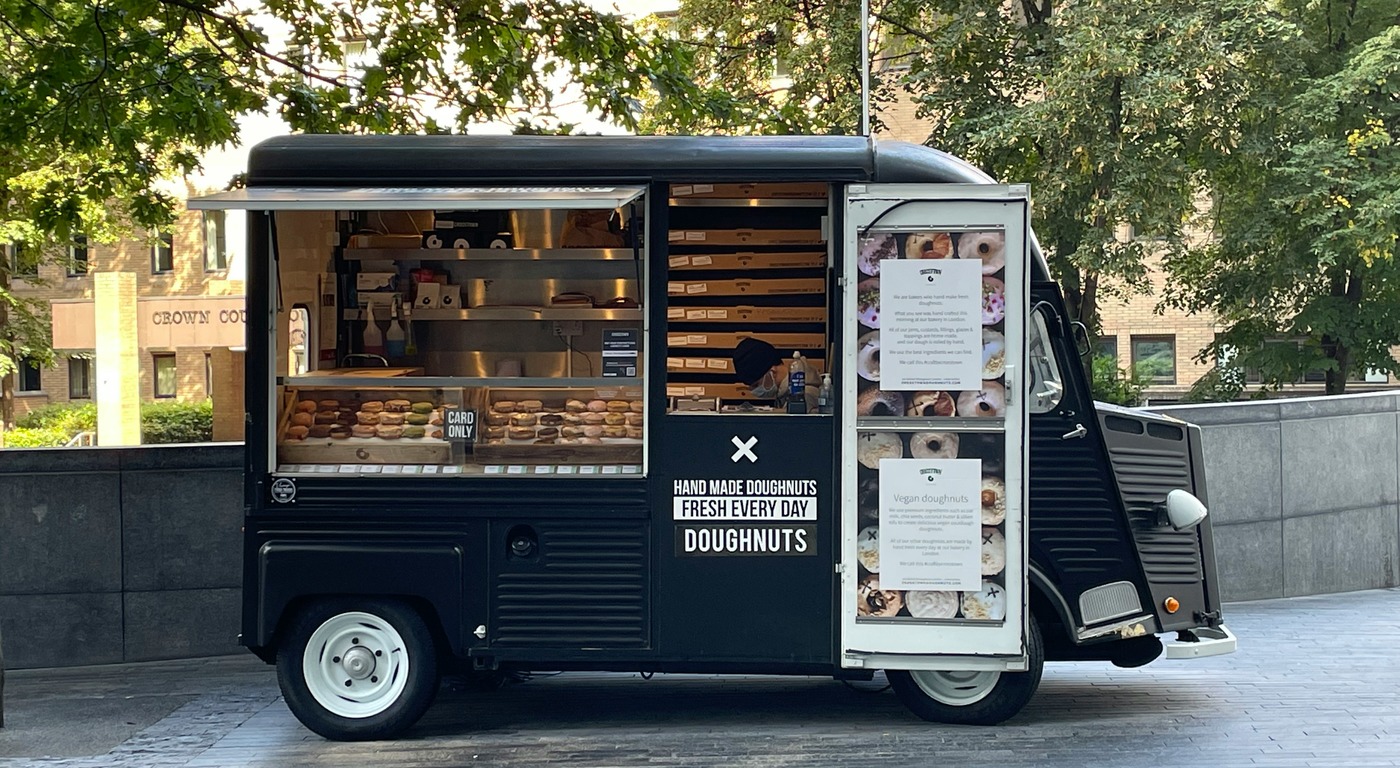
The most memorable food trucks aren’t just serving good food – they’re built around a concept specific enough to be recognizable from a block away.
A clear identity shapes everything downstream: what equipment you need, how your menu is priced, which events make sense to book, and how customers describe you to friends.
This list covers 20 food truck concepts that push past the predictable. Some are built on familiar formats with a sharp twist. Others represent underserved categories with real market demand. All of them are worth understanding before you settle on a direction.
Key Takeaways
- The strongest food truck concepts combine a narrow menu focus with genuine culinary specificity – not just a broad category like “international food.”
- Fusion concepts work best when the combination has a logical flavor logic, not just novelty.
- Several categories – vegan, all-day brunch, specialty fries – have moved from trend to baseline expectation in many markets.
- A concept that requires custom equipment or complex prep should be factored into your food truck build from the start, not retrofitted later.
- Menu format (DIY, sliders, bowls) affects service speed and ticket size as much as the food itself.
- Before you land on a concept, it’s worth reviewing our food truck startup checklist to understand all the decisions that follow from it.
1. Health-Forward Street Food
The audience for genuinely nutritious street food has grown past the point where “healthy” needs to be the whole pitch. Operators in this space now compete on flavor and presentation as much as ingredient quality.
Colorful grain bowls, organic smoothie additions, vegan burgers with real texture – these work because the food holds up independently, not because customers feel virtuous eating it.
The kitchen setup matters here. Refrigeration requirements, ingredient turnover rates, and prep complexity for fresh produce are different from a grill-focused concept.
When we work with clients building this kind of truck, layout and cold storage positioning come up early in the conversation.
2. Global Street Food
A truck organized around street food from multiple regions – Mexican, Japanese, Indian, Southeast Asian – can work well, but the concept needs discipline.
The menus that succeed narrow the roster to four or five cultures with a shared flavor sensibility, rather than attempting a world tour of twenty items that demand different equipment and inconsistent prep.
The draw for customers is variety without commitment. The operational challenge is controlling ingredient overlap so you’re not managing fifteen separate supply chains.
3. Gourmet Grilled Cheese
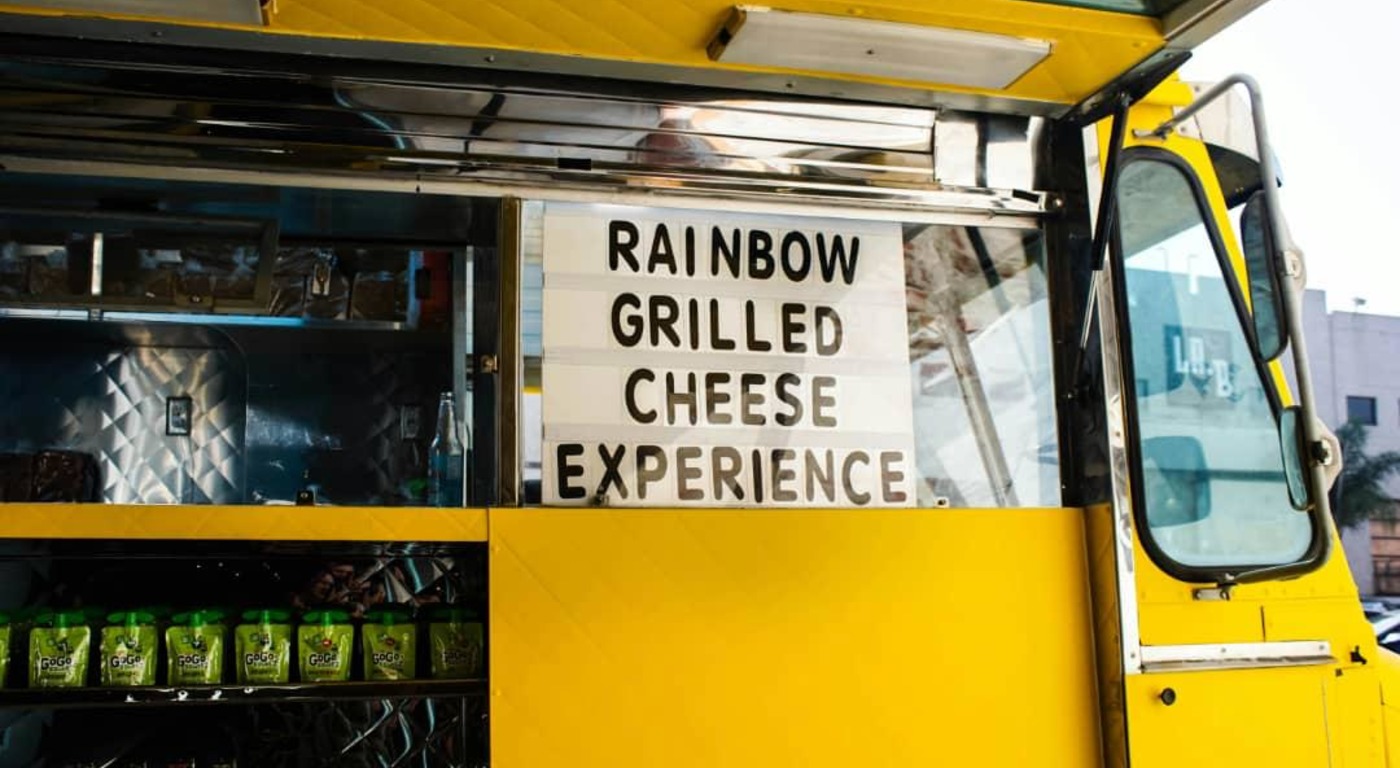
Grilled cheese has become a legitimate specialty concept because the variables are genuinely interesting: cheese blend ratios, bread type and crust density, fat used for cooking, and add-ons that complement without overwhelming. Operators like Roxy’s in Boston have built real followings around this format.
The lower barrier to entry in terms of equipment – primarily a flat-top griddle – makes it an accessible build. The differentiation comes from sourcing and combinations, not complex technique.
4. Build-Your-Own Tacos
DIY taco service transfers some of the assembly work to the customer, which can speed up service when it’s structured correctly. The concept needs a well-designed service line: protein options, tortilla choices (corn, flour, blister-charred), and a condiment station that doesn’t create a traffic jam at peak hours.
What makes it stick operationally is the ability to cross-utilize ingredients across multiple build options, which keeps food costs manageable.
5. All-Day Brunch
Brunch-focused trucks have an advantage most concepts don’t: they can operate during hours when other trucks aren’t competing for the same customer.
A truck running eggs Benedict, thick-cut French toast, and avocado preparations from 7 a.m. to 2 p.m. at a weekday office park is working a window that lunch trucks miss entirely.
The equipment requirement – flat-top, egg station, possibly a waffle iron – is specific. If this is your concept, building those stations into your truck’s kitchen layout from the beginning is far cleaner than adapting a general-purpose build.
6. Fresh Seafood
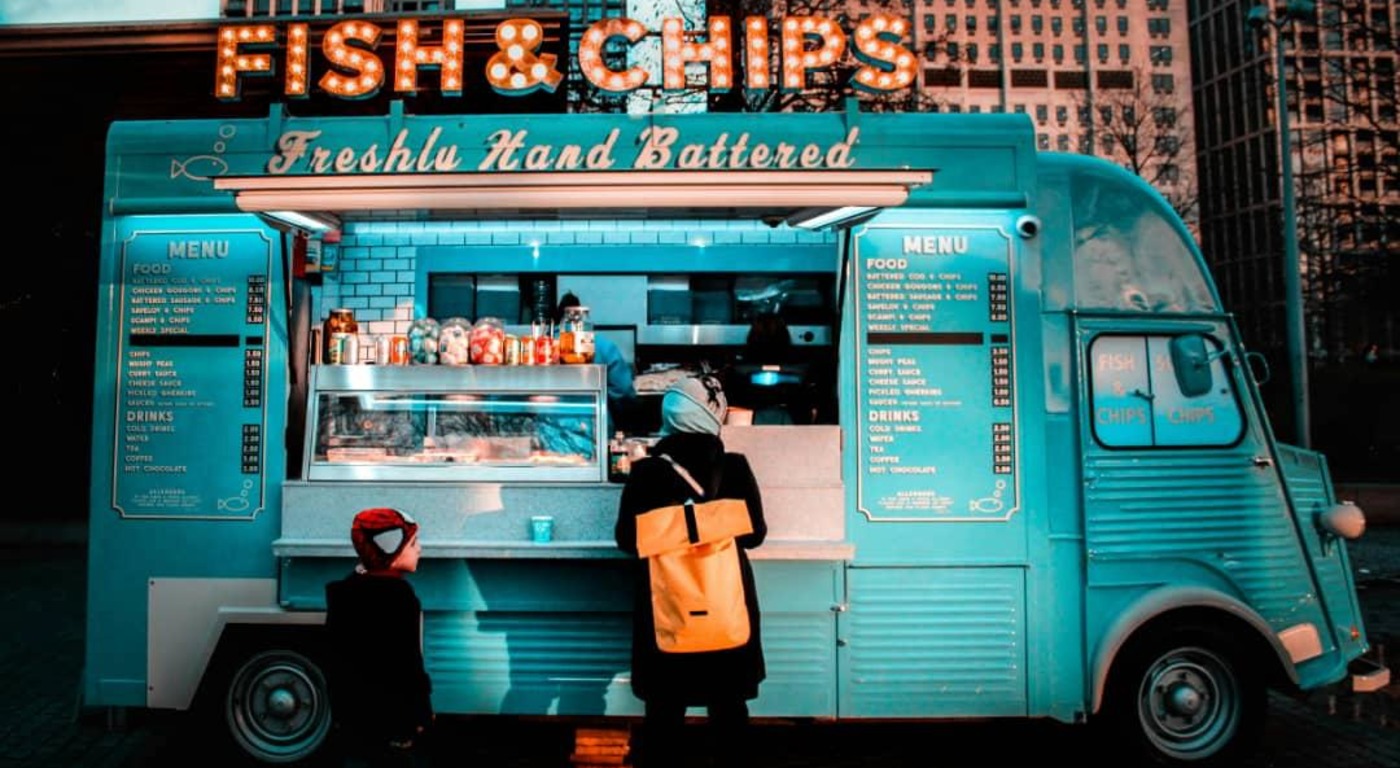
A seafood truck’s success is almost entirely dependent on supply chain reliability. Lobster rolls, shrimp po’ boys, and fish tacos all require consistent access to quality product at a price point that still supports a mobile operation.
Operators who make this work typically have direct relationships with one or two suppliers, not a rotating list of whoever’s cheapest that week.
Cold holding and safe temperature management throughout service are non-negotiable for this concept. If you’re considering a food trailer format for a seafood concept, the refrigeration planning conversation happens early.
7. Vegan Specialties
Plant-based menus have moved from novelty to a category customers actively seek out. The concepts that draw lines do so because they’ve mastered texture and satiety, not just flavor.
Jackfruit preparations that hold up to heat, tofu that’s been pressed and marinated properly, dairy-free frozen desserts with real richness – these earn repeat visits.
From a build standpoint, a dedicated vegan operation can often simplify equipment requirements, since there’s no need for separate surfaces or separate prep areas for allergen management around meat.
8. Specialty Sliders
The slider format allows for a tight, rotating menu that gives customers a reason to come back. A truck focused exclusively on sliders – pulled proteins, crispy chicken, short rib, plant-based – can run a focused protein-plus-topping matrix without the volume commitments of full sandwich service.
Portion control and bun sourcing are the two variables that separate a slider concept from a standard burger truck operating at reduced scale.
9. Extravagant Milkshakes
Specialty milkshake trucks built around loaded presentations – caramel pretzel, key lime pie, cereal-milk bases – perform extremely well at events and in high-foot-traffic locations. The visual appeal drives organic social sharing, which functions as free ongoing marketing.
The operational constraint is speed. A complex milkshake takes longer to build than most street food items, so service line design and batch prep for toppings matter significantly during peak windows.
Knowing which events and locations generate the most sales helps a concept like this book the right spots rather than burning service hours in low-traffic settings.
10. Unconventional Ice Cream
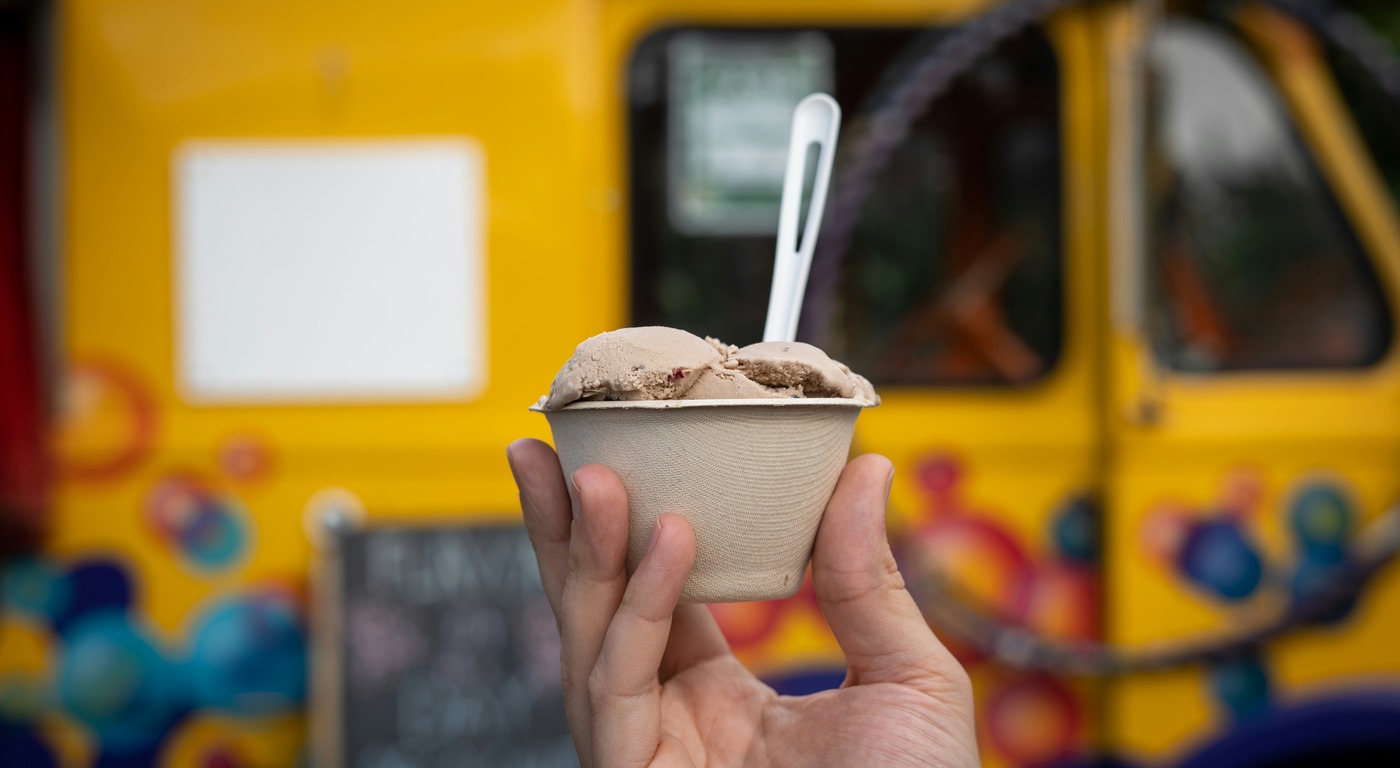
Flavors like matcha, lavender honey, black sesame, rosewater saffron, and miso caramel attract customers who are already familiar with the ingredient and curious about the execution.
This concept works best in urban markets or at events where adventurous eating is part of the culture.
The production model – whether you’re churning on-site, working with a local creamery, or using a mix base – shapes the truck requirements. On-site churning requires significant power draw, which affects generator sizing.
11. Gourmet Loaded Fries
Fries as a primary menu item, rather than a side, are one of the more scalable food truck concepts operationally.
A well-designed loaded fry menu – truffle parmesan, kimchi and sesame, bacon and green chile, tikka masala – can be produced quickly, customized without much additional complexity, and priced at a margin that makes sense for mobile service.
The equipment footprint is small: primarily a deep fryer and a prep station for toppings. That simplicity makes it a concept that pairs well with commissary prep and high-volume event service.
It also makes it easier to keep operating costs predictable compared to concepts with more complex ingredient lists.
12. Authentic Smoked BBQ
BBQ as a food truck concept requires accepting certain operational constraints upfront. A proper smoker is large, heavy, and demands long lead times for proteins – smoked ribs and brisket are typically started well before service begins, often overnight.
Most successful BBQ trucks treat the smoker as the core equipment decision that shapes everything else, including trailer size.
Operators who start with our custom builds team for BBQ concepts typically come in with strong opinions about smoker brand and chamber size, which is the right approach. The truck is built around the smoker, not the other way around.
Operators who start with our custom builds team for BBQ concepts typically come in with strong opinions about smoker brand and chamber size, which is the right approach. The truck is built around the smoker, not the other way around.
13. Artisan Donuts
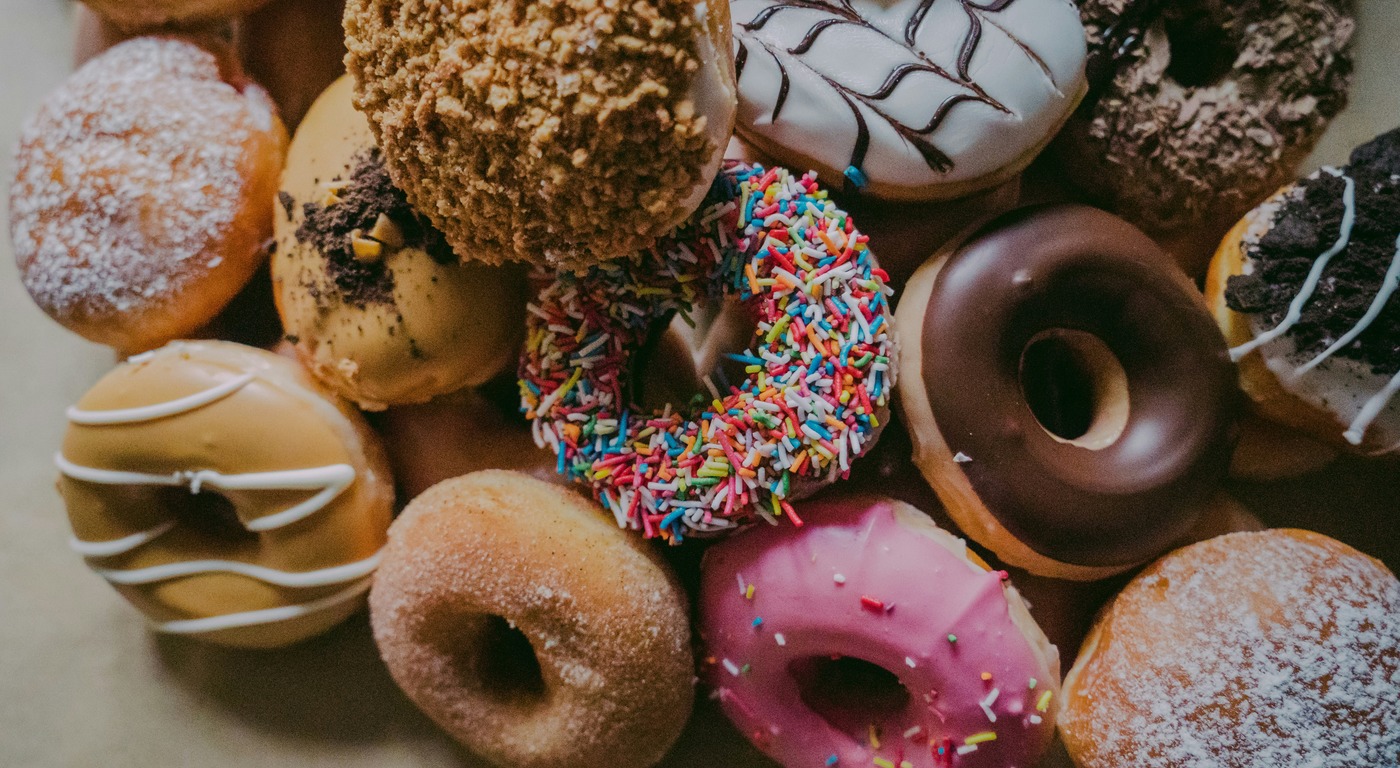
Handmade donuts – classic glazed alongside filled variations like Nutella, Bavarian cream, and cookie dough – have a devoted customer base and perform well both at fixed locations and events.
The concept benefits from strong visual display options: donuts stack and present well, which supports impulse purchasing.
Production volume is the key planning variable. Donuts require consistent frying temperature and significant batch prep, so the fryer capacity and ventilation system in the build matter.
14. Moroccan Spiced Pulled Lamb Tacos
Slow-cooked lamb shoulder with cinnamon, cumin, and ginger, served on warm tortillas with toasted pistachios, a honey drizzle, and yogurt sauce – this is a good example of fusion with internal logic.
The Moroccan spice profile and the taco format share an emphasis on layered, warm flavors. The combination isn’t forced.
Concepts like this require a braising setup and holding equipment for service. The flavor complexity is an asset for catering and event work, where customers are specifically seeking something outside the ordinary.
Our guide to catering your food truck for private events goes into how to position a specialty concept like this for that market.
15. Brazilian Coxinha with Mango Habanero Sauce
Coxinha – a deep-fried chicken croquette made with corn flour dough – is well known in Brazilian cuisine and almost entirely absent from the American street food market outside of Brazilian-focused restaurants. That gap is the opportunity.
The mango habanero dipping sauce adds a familiar sweet-heat note that makes the item approachable for first-time customers.
High-volume fry production for a specialty item like this requires a reliable fryer setup and consistent dough prep, both of which are worth building into the kitchen plan from day one.
16. Vietnamese Banh Mi Sliders
Miniaturized banh mi – shredded meat, pate, and cilantro on small baguette rolls with quick-pickled carrot and daikon – scales well for food truck service. The components can be prepped in batches, the assembly is fast, and the flavor profile has proven mass appeal in the American market over the past decade.
The pickled vegetables can be made in advance and last several days, which simplifies daily prep. The bread sourcing is the variable that most often determines quality consistency.
17. Sweet and Savory Waffles
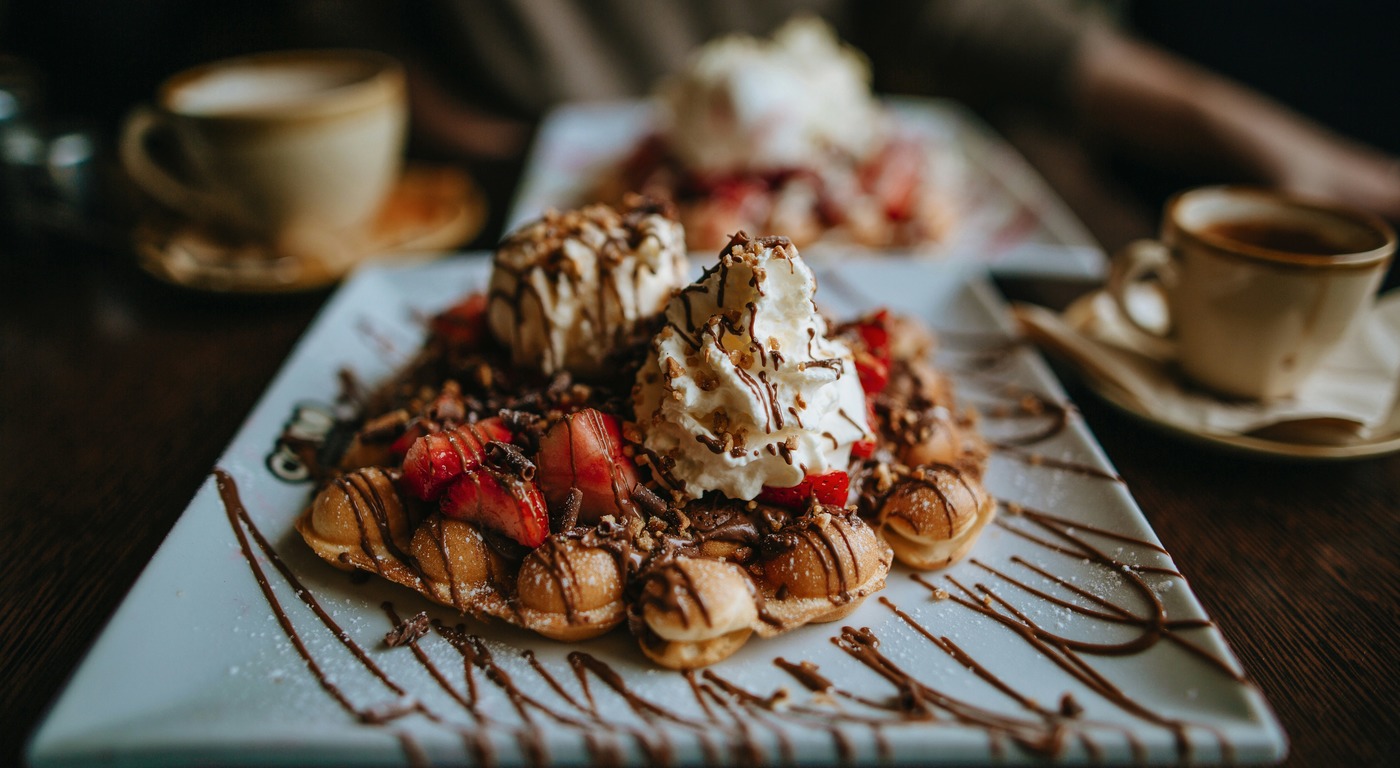
A waffle-focused concept can straddle multiple dayparts and service types: chicken and waffles for lunch, dessert waffles for evening events, brunch service on weekends. The waffle iron is the primary equipment driver, and you’ll want commercial-grade units with consistent heat distribution for speed at volume.
The crossover appeal – savory and sweet from the same truck – makes it easier to book into diverse events without being boxed into a single demographic or time slot.
Understanding which locations and events perform best for your format will help you build a consistent weekly schedule rather than filling gaps reactively.
18. Japanese Okonomiyaki
Osaka-style savory pancakes made with cabbage, shrimp, and meat, finished with a sweet miso glaze and bonito flakes, represent a concept with almost no direct competition in most American markets outside of major metro areas. Okonomiyaki trucks in cities like Los Angeles and Portland have demonstrated consistent demand.
The preparation requires a flat griddle and some proficiency with the batter consistency, which changes with humidity and temperature. It’s a learnable technique that rewards practice, not specialized talent.
19. Korean Bulgogi Tacos
Roy Choi’s Kogi BBQ in Los Angeles is the reference point for this category – marinated bulgogi beef on corn tortillas with kimchi, pickled vegetables, and gochujang crema. The concept has been validated in enough markets to remove any doubt about demand, but the execution still varies widely.
The distinguishing factor at this point isn’t the flavor combination – it’s sourcing quality and technique. Properly marinated bulgogi, with enough time in the overnight soak, tastes different from a same-day shortcut.
20. Indian Tikka Masala Poutine
Crispy fries topped with tikka masala sauce, paneer cheese curds, and cilantro chutney take a Québécois format and route it through Indian flavor. The appeal is comfort-food familiarity with a specific, recognizable regional influence.
This is a strong event concept. It photographs well, the prep can be partially done in advance, and it sits in a price range that supports healthy margins for mobile service.
How Concept Choice Shapes Your Build
The 20 concepts above aren’t interchangeable from an equipment standpoint.
A BBQ operation needs a trailer-scale smoker. A fresh seafood truck prioritizes refrigeration layout. A donut concept requires fryer capacity and ventilation. A gourmet fry operation can operate out of a relatively compact build.
This is one reason the concept conversation belongs early in the build process – not after you’ve already committed to a floor plan.
Before committing to any concept, make sure you’ve also worked through the permits and licenses your food truck will require in your operating area – the requirements vary by city and county, and some concepts (particularly those involving raw seafood or open flame) can trigger additional inspections.
If you’re working through how to start a food truck and still finalizing your concept, understanding the build implications of each direction will save you from expensive changes down the road.
Conclusion
A strong concept does more than define your menu – it determines your equipment list, your service speed, your ideal events, and your pricing floor.
The most durable food truck businesses we’ve seen come from operators who chose a lane with genuine specificity and then built the truck to match.
If you’re ready to move from concept to custom build, request a free quote and we’ll start with what you’re serving.