Where a food truck operates shapes daily revenue, workload, and long-term growth. Some locations support steady volume. Others offer visibility, customer feedback, or opportunities to refine a concept under real conditions.
Operators who plan with intention treat location as an operational decision, not a last-minute variable.
Across the country, certain events and environments consistently draw crowds prepared to spend. These settings have clear patterns: defined traffic windows, predictable customer behavior, and repeat demand when executed well.
For food truck operators, they become places to build consistency, sharpen service flow, and test what scales.
At Elhaj Custom Food Trucks & Trailers, we work with operators entering the industry and those expanding established businesses. The locations outlined below reflect what we see succeed in the field, based on how trucks are actually used day to day.
Key Takeaways
- Location choice directly affects revenue patterns, staffing pressure, and daily operating rhythm.
- High-performing events and locations share predictable traffic windows and clear customer expectations.
- Different settings reward different strengths, such as volume capacity, speed, consistency, or community presence.
- Securing a spot usually involves permits, applications, or property agreements that require advance planning.
- Operators who align truck design, menu, and workflow with location demands are more likely to scale without friction.
1. Music Festivals
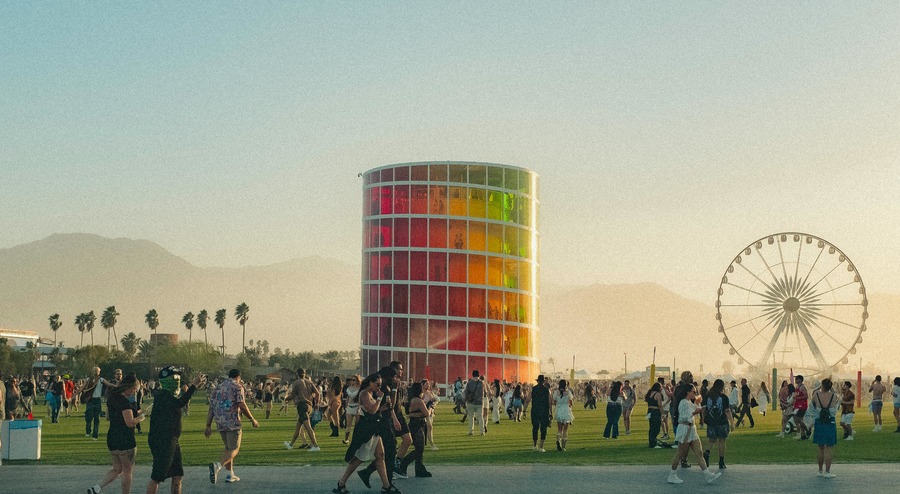
Large music festivals draw thousands of attendees who stay for hours and often for multiple days. Food becomes a necessity, not an impulse purchase. Speed, clarity of menu, and production efficiency determine success.
Operators who perform well at festivals typically limit menus, focus on items that can be prepped in advance, and design their trucks for high-volume output. Power capacity, refrigeration layout, and service flow all matter more here than visual design alone.
Festivals are especially valuable for newer concepts looking to validate pricing and demand quickly. The feedback is immediate and unfiltered.
How To Get a Spot
Most large festivals use formal vendor applications managed months in advance.
Priority is often given to trucks with proven volume capacity, prior festival experience, and menus that complement existing vendors. Smaller regional festivals are more accessible and often managed by local promoters or city event offices.
Build a short vendor packet that includes photos of your truck, menu, service speed, power needs, and proof of insurance.
Learn More: How to Launch a Successful Food Truck in a Competitive Market
2. Local Farmers’ Markets
Farmers’ markets attract repeat visitors who value quality, consistency, and local presence. Unlike festivals, the same customers return week after week, which rewards operators who build familiarity and trust.
These settings favor trucks with smaller footprints, flexible menus, and efficient setups that can operate within limited time windows. Breakfast and lunch items tend to perform well, especially when they align with the market’s local and seasonal focus.
For many operators, farmers’ markets become dependable anchors in an otherwise variable weekly schedule.
How To Get a Spot
Farmers’ markets typically operate on seasonal vendor applications overseen by a market manager or local association. Acceptance often depends on menu fit and whether your offering duplicates existing vendors.
Showing consistency, local sourcing where applicable, and the ability to commit to recurring dates increases approval odds. In many cases, markets prefer vendors who can attend weekly rather than sporadically.
Learn More: The Role of Food Truck Parks in Modern City Life
3. Sporting Events
Sporting events produce predictable surges in demand tied to game schedules. Fans arrive hungry, leave hungry, and expect fast service without distraction.
Menus that succeed here are straightforward and recognizable, with portions designed for easy handling. Equipment reliability is critical, as downtime during peak demand directly translates to lost revenue.
For operators who invest in the right kitchen layout early, sporting events can become some of the highest revenue days of the year.
How To Get a Spot
Access is usually controlled by stadium operators, municipal parks departments, or third-party concessions managers. Smaller tournaments and youth sports complexes are easier entry points than major league venues.
Start by contacting facility management directly and be prepared to demonstrate compliance with health regulations, power requirements, and crowd-flow expectations.
4. Cultural Festivals and Community Celebrations
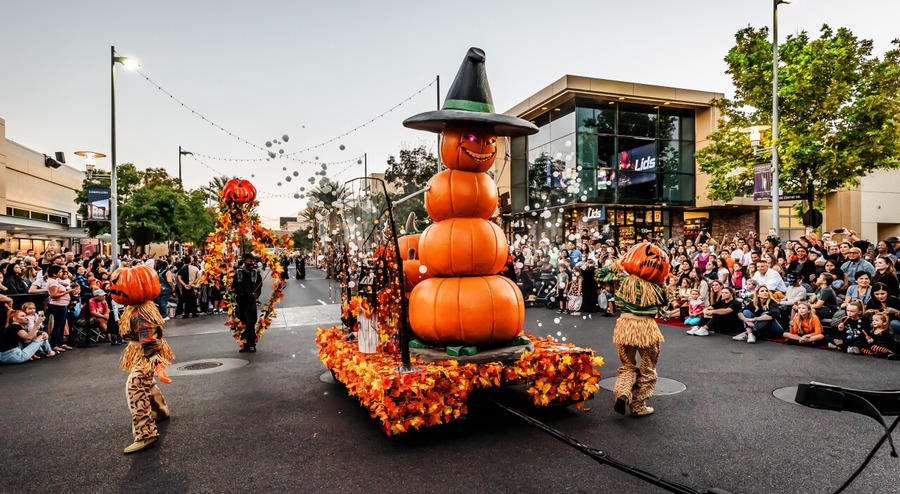
Cultural festivals, holiday events, and neighborhood celebrations offer something different: emotional connection. These crowds are often smaller than major festivals, but they are highly engaged and open to themed or regionally inspired food.
Operators often use these events to test limited-time items or to align their brand with specific communities. Customization, both in menu and truck design, helps reinforce that connection.
Over time, repeated appearances at these events can turn a food truck into a familiar local presence rather than a rotating vendor.
How To Get a Spot
These events are commonly organized by local governments, cultural organizations, or neighborhood associations.
Vendor spots are often awarded based on community relevance and menu alignment with the event theme. Building relationships with organizers and showing prior participation in similar events helps.
Early outreach matters, as vendor lists often fill quickly.
Learn More: Break the Rules With 20 Innovative Food Truck Ideas
5. Business Districts During Lunch Hours
Dense business districts create short, intense service windows. Office workers want quality food without waiting, and they return to trucks that respect their time.
Success here depends on preparation and workflow. Trucks that can serve quickly, accept multiple payment methods, and maintain consistency day after day tend to build steady lunchtime followings.
For operators seeking predictable weekday revenue, business districts often provide the most stability.
Learn More: Best Places to Park a Food Truck
How To Get a Spot
Food truck access in business districts is typically regulated by city permitting and private property agreements. Some areas allow curbside vending with permits, while others require permission from building owners or property managers.
Operators often succeed by approaching office parks directly and proposing scheduled weekly service that benefits tenants.
6. Public Parks and Recreational Areas
Parks attract families, tourists, and casual visitors who stay longer and purchase more than once. Sales patterns shift with weather, seasons, and local events, making flexibility important.
Menus that work well in parks are easy to share and easy to eat outdoors. Equipment choices should support lighter service without sacrificing speed.
For many operators, parks offer a balance between volume and atmosphere that supports long-term brand growth.
How To Get a Spot
Parks are usually governed by city or county parks departments. Many require special event permits, location reservations, or rotating vendor schedules.
Approval often depends on vehicle size, environmental impact, and crowd management plans. Establishing a relationship with parks staff and understanding seasonal demand improves long-term placement opportunities.
Learn More: How Do Seasons Affect the Food Truck Industry?
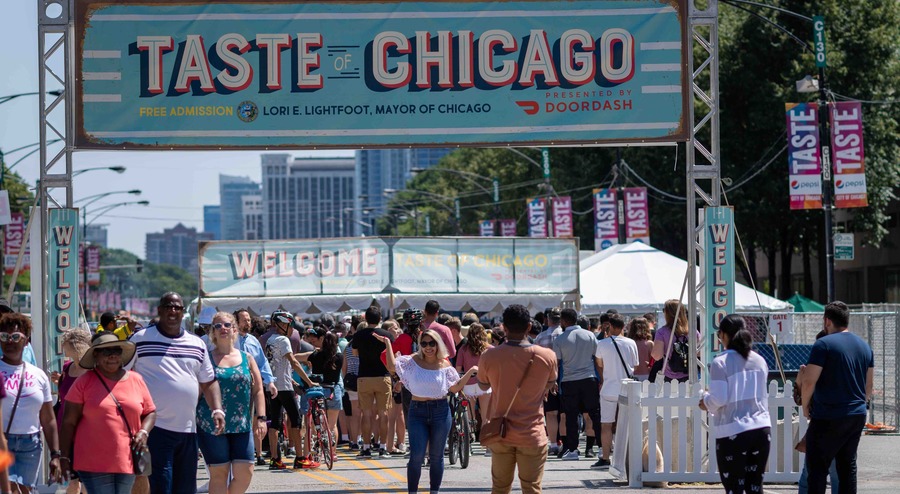
7. Food Shows and Culinary Events
Food-focused events attract customers who are actively comparing vendors. These audiences care about execution, originality, and presentation.
Operators use these events to refine recipes, observe competitors, and gather insights that shape future menu decisions. A well-designed truck helps manage crowds and keeps the focus on the food rather than operational friction.
Culinary events often influence reputation beyond the event itself, especially through social sharing and word of mouth.
How To Get a Spot
Culinary events use competitive application processes that emphasize quality, originality, and execution. Organizers look for vendors who elevate the event experience rather than simply fill space.
Clear branding, a focused menu, and prior event credentials strengthen applications. These events often book far in advance, so timing is critical.
Learn More: Food Trucks vs Restaurants: A Culinary Showdown
Conclusion
The right location can accelerate growth or quietly limit it. Operators who understand the demands of each environment are better positioned to choose equipment, menus, and schedules that work together.
Aligning location strategy with operational reality makes the difference when it comes to steady weekday revenue, high-volume event sales, or long-term brand visibility.
Elhaj Custom Food Trucks & Trailers works with operators to build trucks that match those realities from the start. From selecting the right build to supporting your next phase of growth, the focus stays on what works in practice.