
A Halal food truck changes the street around it the moment service begins. The grill comes to life, the spices carry farther than expected, and people notice the shift even before the line forms.
It is a straightforward exchange. Walk up, order, wait – yet it holds more than the mechanics of buying lunch.
For many customers, this is where they first connect with Halal food in a casual setting, without ceremony or explanation. The truck becomes a place where culture is shared through routine rather than presentation.
This article looks at why Halal food trucks matter, how they operate, and what makes them distinct in a crowded street-food landscape.
Key Takeaways
- Halal food trucks introduce culturally rooted cooking into everyday public settings.
- They create informal spaces that support connection and familiarity.
- Operators protect tradition while adapting to the demands of mobile service.
- Food trucks offer a practical, lower-barrier path to ownership for new operators.
- They strengthen cultural visibility and expand access to dependable food options.
- Purpose-built trucks influence workflow, safety, and long-term reliability.
Exploring the Diversity of Halal Cuisine
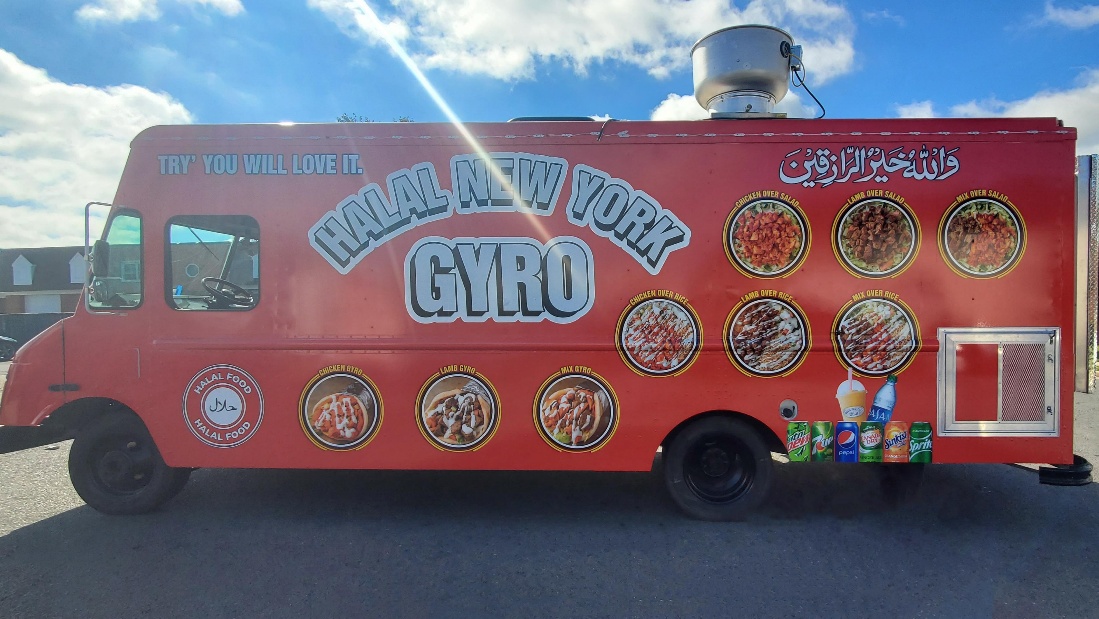
Halal cuisine reflects a range of regional styles shaped over centuries.
In a food truck, those traditions show up in ways that respect their origins while fitting the pace of a street-service model. Shawarma, kebabs, biryani, and rice plates all hold up well under steady demand, making them natural fits for mobile kitchens.
Customers get food that feels personal, even in a busy setting. The flavors carry the same depth regardless of whether someone is discovering Halal cuisine for the first time or returning for something they grew up with.
Why it matters:
A truck can introduce these dishes to places where a full restaurant may not exist. That presence encourages more people to try the food, ask questions, and build new connections to a cuisine they might not have sought out on their own.
The Social Impact of Halal Food Trucks
A Halal food truck often settles into the rhythm of a neighborhood.
People recognize the staff, return for their preferred order, and talk with others in line without much thought. The space around the truck becomes familiar, even if the surroundings change daily.
Nothing about the interaction is staged. It is the simplicity that makes it work. People gather because it feels easy and unforced.
Why it matters:
These trucks create approachable social spaces. Regular contact builds trust, and trust gradually turns the truck into a fixture of the community rather than a passing option.
The Evolution of Halal Food
Halal food trucks rely on long-practiced cooking methods, but operators make adjustments to serve steadily without losing quality.
Grills, refrigeration, prep tables, and storage all need to work together in a tight footprint.
Menus also evolve in small, practical ways. Some dishes remain traditional, while others take on quicker, portable formats that fit street service.
The intention is not to modernize for novelty’s sake, but to stay consistent during busy periods while respecting the food’s roots.
Why it matters:
This balance lets operators serve a wide audience while maintaining authenticity. It shows that tradition can adapt to real-world constraints without becoming diluted.
A Direct Path for New Food Entrepreneurs
Food trucks offer a workable path for cooks who want to build something of their own.
Costs are more manageable than a full restaurant, and operators can learn what resonates through daily interactions.
Because the stakes are lower, experimentation becomes easier. Adjusting a menu item or adding a new dish can happen quickly and with immediate feedback.
Why it matters:
This format opens the door for Halal operators who want to build a business rooted in the food they grew up with, without needing significant capital or a large team to get started.

Cultural Identity Preserved Through Daily Service
Halal food trucks bring cultural cooking into a public setting where people encounter it in a familiar way.
The food is presented without needing an introduction. Conversations happen naturally between the customer and the operator, which invites curiosity without pressure.
The dishes maintain their place within the culture while also finding new relevance among wider audiences.
Why it matters:
Visibility helps preserve culinary traditions and gives them space to grow. The truck becomes a moving expression of cultural identity rather than a rare or specialized experience.
Expanding Access to Quality Food
Some Halal food trucks work with community groups, events, or local programs to reach areas that lack consistent dining options.
Their mobility makes it possible to show up where they are needed rather than waiting for customers to come to them.
These efforts give neighborhoods access to meals that are both reliable and culturally appropriate.
Why it matters:
A mobile kitchen can fill gaps that stationary businesses can’t, especially in areas where residents rely on accessible, affordable food options.
Why This Movement Matters
Halal food trucks influence city life in ways that are easy to overlook because they happen at ground level.
They offer steady service, personal interaction, and food with roots that extend far beyond the street where they are parked.
Their impact comes from showing up consistently and serving well. Over time, that steady presence shapes how people understand both the cuisine and the community around it.
Building a Halal Food Truck with Elhaj
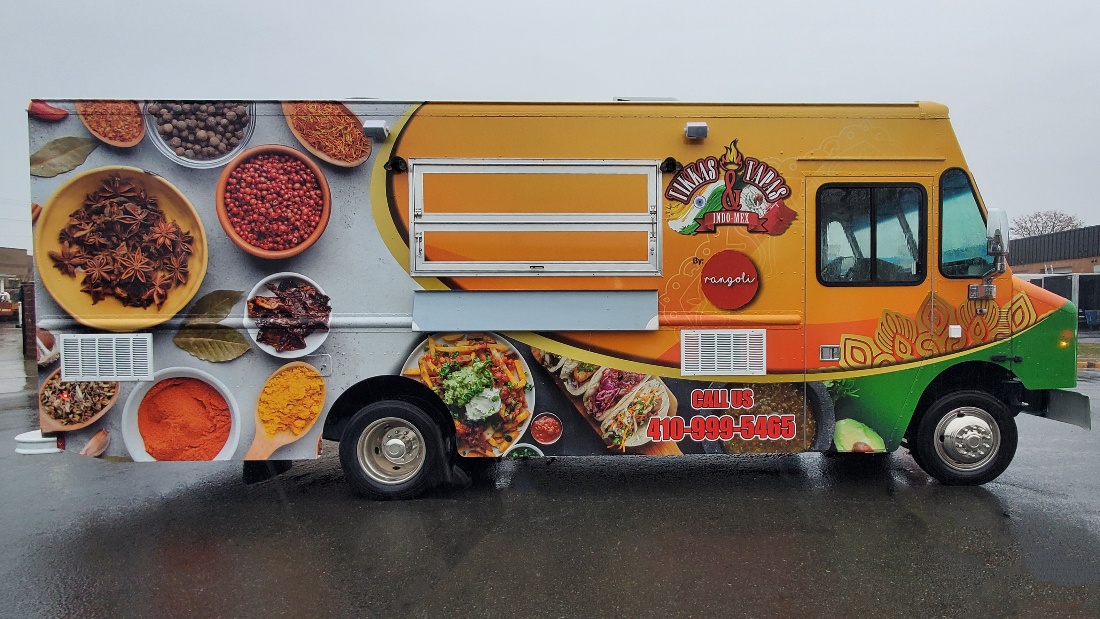
The design of a Halal food truck affects everything: preparation, speed, food safety, and the ability to stay consistent throughout the day.
Elhaj Custom Food Trucks & Trailers builds mobile kitchens that support these needs with layouts designed for high-efficiency cooking, clear workflow paths, and the equipment required to maintain Halal standards.
We work with operators from planning through delivery to ensure the truck reflects the menu, the process, and the brand.
Final Takeaway
The Halal food truck movement is shaped by tradition, practical problem-solving, and the everyday interactions between operators and the communities they serve.
With the right tools and preparation, a truck becomes more than a business. It becomes a steady presence that brings people together through food that carries real history and care.