Buying a food truck is not a single decision. It is a chain of decisions that affect how you cook, where you operate, how efficiently you work, and how reliably you can serve customers week after week. The truck becomes your kitchen, storefront, and brand presence all at once. Getting it right early saves time, money, and frustration later.
This guide walks through the real considerations behind buying a food truck, with a focus on how those choices play out in day-to-day operations.
Define Your Concept and Target Market
Before looking at trucks, you need clarity on what you are serving and who you are serving. Cuisine drives equipment needs. Service style affects layout. Location determines size, power requirements, and compliance constraints.
Many first-time buyers rush past this step and later discover they have paid for layouts or equipment that do not match how they actually operate. These early missteps show up repeatedly in common food truck operating mistakes, especially when the menu and build were never aligned.
Your concept should also guide menu decisions. A focused menu that fits your workflow is easier to execute consistently, which is why understanding what makes a food truck menu work in practice matters before finalizing a build.
Research Local Regulations and Permits
Regulations shape what is possible long before the first service. Health department rules, fire codes, zoning laws, and licensing requirements vary by state and municipality. Some locations require specific sink configurations, commissary agreements, or fire suppression systems.
If you are new to the process, it helps to start with a clear overview of the permits and licenses required to start a food truck. Designing or purchasing a truck without this context often leads to expensive changes after inspection.
Set a Realistic Budget
The cost of a food truck extends far beyond the vehicle itself. A realistic budget includes fabrication, kitchen equipment, permits, insurance, branding, and early operating expenses.
Many buyers underestimate how quickly ongoing costs add up after launch. Planning beyond the purchase price is part of long-term stability, which is why practical budgeting guidance for long-term food truck success is worth reviewing early.
Decide Between New and Used
Choosing between a new or used food truck is less about price and more about control. New builds allow layouts and systems to be designed around your workflow. Used trucks often reflect a previous concept and can limit flexibility.
For some operators, this decision overlaps with choosing between a truck and a trailer. Understanding the tradeoffs between formats, including mobility and setup requirements, becomes clearer when comparing food trucks versus food trailers.
Customization and Kitchen Design
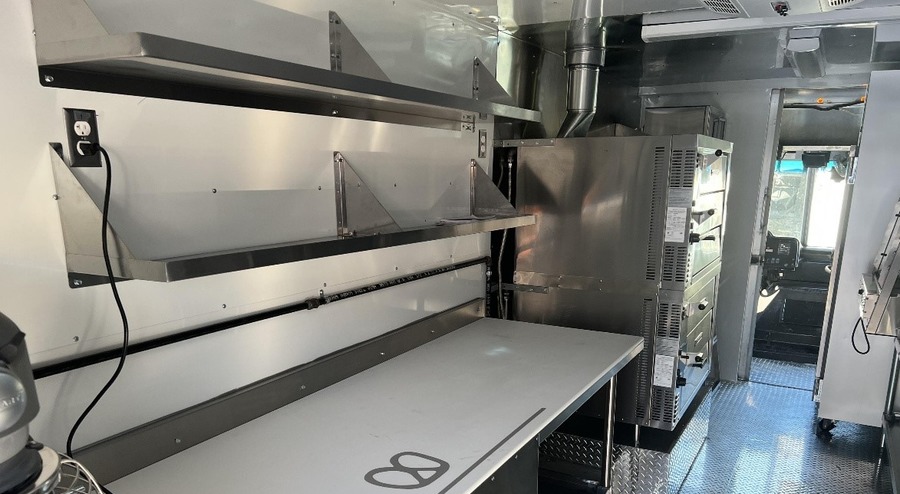
Kitchen layout determines speed, comfort, and consistency. Poor design creates bottlenecks, wasted motion, and unnecessary fatigue during service.
Effective layouts are built around workflow rather than appearance. Equipment placement, prep zones, and storage access should reflect how food is actually prepared and served. These principles are central to thoughtful custom food truck design, where efficiency matters more than aesthetics.
Factor in Maintenance and Operating Costs
Food trucks operate under constant heat, vibration, and heavy use. Generators, refrigeration, plumbing, and electrical systems all require routine attention.
Ignoring maintenance planning often leads to downtime during peak sales periods. Operators who treat upkeep as part of normal operations tend to stay more consistent, which is why having a practical food truck maintenance approach matters.
Market Your Food Truck
Once operational, visibility becomes the next challenge. Customers need to know where you are, when you are open, and what you serve.
Location choice plays a major role in consistent traffic. Understanding where food trucks tend to perform best helps avoid low-visibility spots that drain time and fuel without producing sales.
Negotiate the Purchase Price
Negotiation should be informed by build quality, equipment condition, and long-term support. A lower upfront price may hide higher maintenance or retrofit costs later.
Comparing multiple options and understanding what is included protects your long-term position.

Consider Financing Options
Financing can preserve working capital and make higher-quality builds accessible. Options include equipment financing, business loans, and structured payment plans.
The key is ensuring payments align with realistic revenue expectations during the first year of operation.
Learn More: The Ultimate Guide To Food Truck Financing
Keep Your Food Truck Clean and Sanitary
Cleanliness affects inspections, customer trust, and staff morale. Tight spaces amplify small issues quickly.
Sanitation systems should be easy to access and maintain, especially during busy service windows.
Be Prepared to Work Hard
Food truck ownership demands long hours and adaptability. Weather, mechanical issues, and changing locations are part of the reality.
Operators who succeed plan for variability rather than reacting to it.
Conclusion
Buying a food truck is a foundational decision that shapes how your business functions every day. Clear planning, realistic budgeting, and thoughtful design reduce friction and create space for growth.
Approaching the process with a clear concept, an understanding of regulations, and a realistic view of operations puts you in a stronger position long before the first service window opens.