Buying a food truck is both a construction decision and a business decision. The truck you choose will shape your menu, workflow, staffing, and long-term costs.
This guide explains how to buy a food truck with clarity, so your food truck startup begins on stable ground.
Key Takeaways
- Buying a food truck requires planning beyond the vehicle itself.
- Your concept determines your layout, equipment, and budget.
- Food truck costs vary widely based on customization and build quality.
- Licenses, permits, and local regulations affect timeline and launch.
- A custom food truck often reduces long-term operational friction.
Understanding the Food Truck Industry
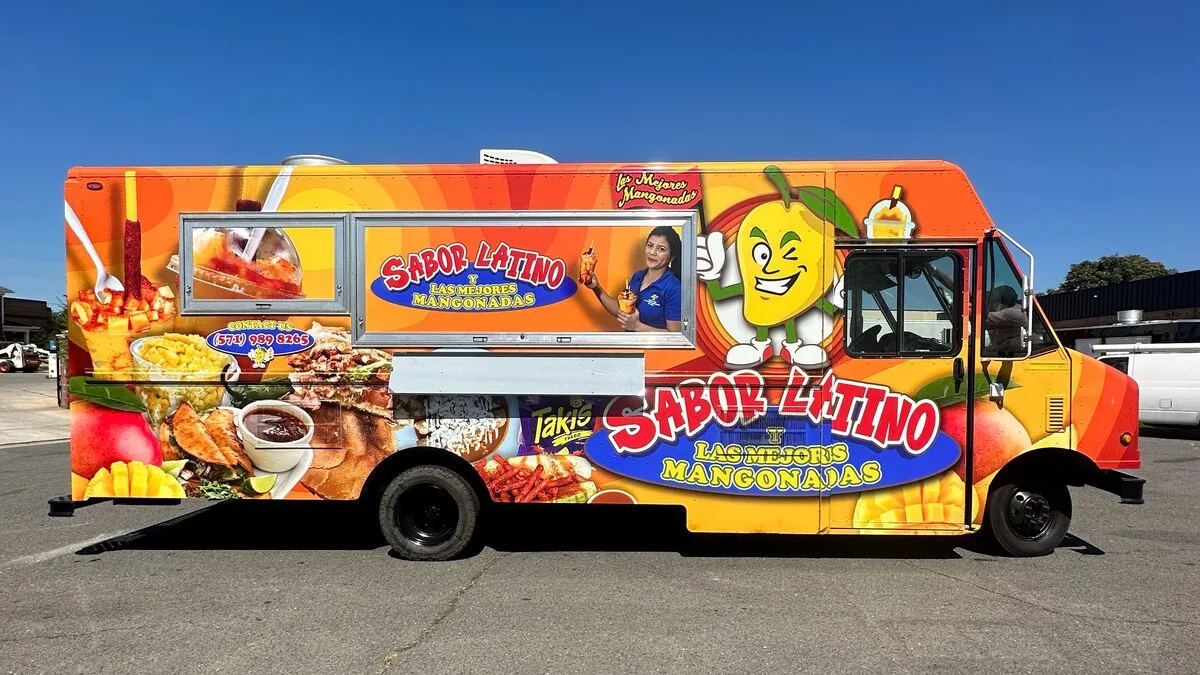
The food truck industry is competitive and location-driven.
Customers compare you instantly to nearby restaurants and other mobile vendors. Speed, cleanliness, and presentation matter as much as flavor. A slow ticket time during lunch rush can cost you dozens of orders in a single hour.
When starting a food truck business, your advantage comes from efficiency and visibility. A well-built mobile food truck allows staff to move smoothly, manage heat, and serve consistently during peak demand.
If you are entering the food truck business, understand that the kitchen layout will directly affect revenue per hour.
Define Your Concept Before Buying a Food Truck
You should define your menu and service style before choosing a truck.
Cuisine drives everything. A fried food concept needs ventilation and oil storage. A coffee trailer requires power stability and compact prep flow. A high-volume burger truck needs grill space, refrigeration, and plating area that support speed.
Before buying a food truck, answer:
- What food will you serve?
- How many staff will work inside?
- Will you focus on events, lunch routes, or catering?
- What price point fits your target market?
This becomes the foundation of your food truck business plan. Without clarity here, equipment decisions become reactive instead of strategic.
How Much Does It Cost to Buy a Food Truck?
Most food truck costs range from $50,000 to over $200,000.
The price depends on whether you choose a new or used food truck, how much customization you require, and what equipment package you install. Fire suppression systems, plumbing, commercial refrigeration, and generator capacity significantly influence cost.
Lower upfront pricing often means tradeoffs in layout, durability, or compliance upgrades later. Buyers sometimes underestimate inspection requirements and retrofit expenses.
When evaluating cost, consider:
- Vehicle condition
- Kitchen build-out quality
- Generator capacity
- Ventilation system
- Custom fabrication vs prefabricated design
If you are asking, “Is buying a food truck profitable?” the real answer depends on startup cost control and operational efficiency after launch.
New vs Used Food Truck
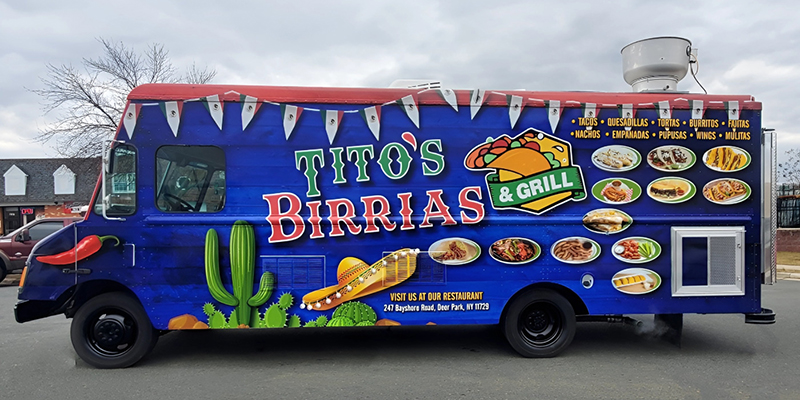
New builds offer customization and reduced mechanical risk. Used trucks lower the entry price but may carry hidden issues.
A new custom food truck allows you to design workflow intentionally. Equipment placement, storage height, and prep space can be aligned with your menu. That alignment reduces wasted movement during busy shifts.
A used truck may require:
- Equipment replacement
- Electrical upgrades
- Layout adjustments
- Inspection modifications
If you are deciding whether to buy a new or used food truck, weigh short-term savings against long-term stability. Mechanical downtime during your first season can damage reputation quickly.
Learn More: What to Look for When Buying a New Food Truck
Food Truck Financing and Funding Options
Most buyers rely on structured financing.
Food truck financing options include SBA-backed loans, equipment financing, private capital, and personal savings. Food truck grants exist, but they are limited and competitive.
When exploring how to finance a food truck business, focus on repayment structure. Monthly payments should align with realistic revenue expectations, not optimistic projections.
Common food truck business funding options:
- SBA or traditional bank loans
- Equipment-specific financing
- Investor partnerships
- Personal capital contributions
A responsible financing plan protects cash flow during your first year of operation.
Licenses, Permits, and Regulations
Food truck licenses and permits are mandatory before operation.
Health departments, fire marshals, and city offices enforce food truck regulations that vary by county and state. Inspections evaluate plumbing, ventilation, fire suppression, and sanitation systems.
Delays often occur when trucks are built without considering local codes. Retrofitting to pass inspection increases cost and postpones launch.
You may need:
- Health department approval
- Fire suppression certification
- Business registration
- Commissary agreement
- Food handler certifications
- Insurance coverage
Understanding food truck insurance requirements protects both your assets and your customers.
Learn More: What Permits and Licenses Do You Need to Start a Food Truck
Choosing the Right Equipment for a Mobile Food Truck
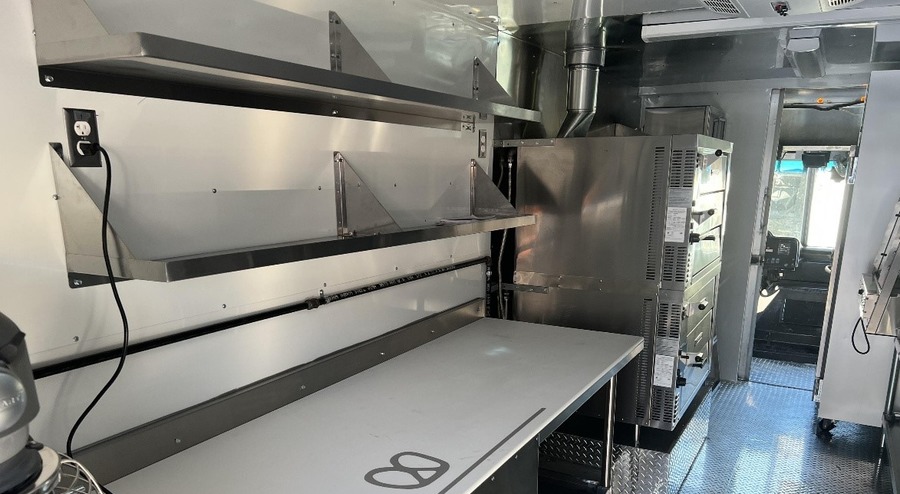
Equipment must match your menu and power capacity.
The best equipment for a mobile food truck balances durability, space efficiency, and output. Underpowered generators or overcrowded layouts slow service during peak hours.
Focus on:
- Commercial-grade refrigeration
- Ventilation systems sized for heat output
- Sufficient prep space
- Reliable generator capacity
- Fire suppression integration
Well-chosen equipment reduces operational stress and extends the life of your investment.
Location Strategy and Marketing
Revenue depends heavily on where and how you operate.
A strong food truck location strategy includes lunch routes near offices, recurring event participation, and private catering opportunities. High foot traffic increases conversion rates without increasing marketing spend.
Food truck marketing supports visibility but cannot compensate for poor location planning. Social media helps customers track your schedule, but consistent placement builds repeat business.
Where to operate a food truck for maximum profit depends on your concept and local demand patterns. Testing locations early reduces long-term uncertainty.
Operations After Launch
Buying a food truck is the beginning of daily systems management.
Food truck operations include inventory tracking, staff scheduling, generator maintenance, and compliance upkeep. Small inefficiencies compound quickly in a compact kitchen.
A thoughtful build improves:
- Staff workflow
- Cleaning routines
- Storage organization
- Service speed
When starting a food truck business, operational discipline protects margins more than menu creativity alone.
Working With an Experienced Builder
A specialized manufacturer can guide layout, compliance, and durability decisions from the beginning.
At Elhaj Custom Food Trucks and Trailers, years of experience building custom mobile kitchens help owners avoid common design mistakes. The focus is on structural integrity, equipment placement, and regulatory readiness.
If you are evaluating how to buy a food truck that supports long-term growth, working with a builder who understands both construction and operations reduces risk and protects your investment.
FAQ
How much does it cost to buy a food truck?
Most builds range from $50,000 to $200,000 depending on customization, equipment, and vehicle condition.
Should I buy a new or used food truck?
New builds offer customization and fewer mechanical risks, while used trucks reduce upfront cost but may require upgrades.
What licenses do I need to buy a food truck?
You will typically need health permits, fire approval, business registration, and insurance coverage based on local regulations.
Is buying a food truck profitable?
Profitability depends on location strategy, cost control, equipment reliability, and operational discipline.
How do I choose the right food truck for my business?
Define your concept first, then select layout, equipment, and size that support your menu and service volume. If you’re unsure, you can always start with a free consultation with an expert builder.
Final Thoughts
Buying a food truck is a serious investment that rewards preparation. With clear planning, realistic budgeting, and the right build partner, your food truck startup can move from idea to operating business with fewer surprises and stronger foundations.